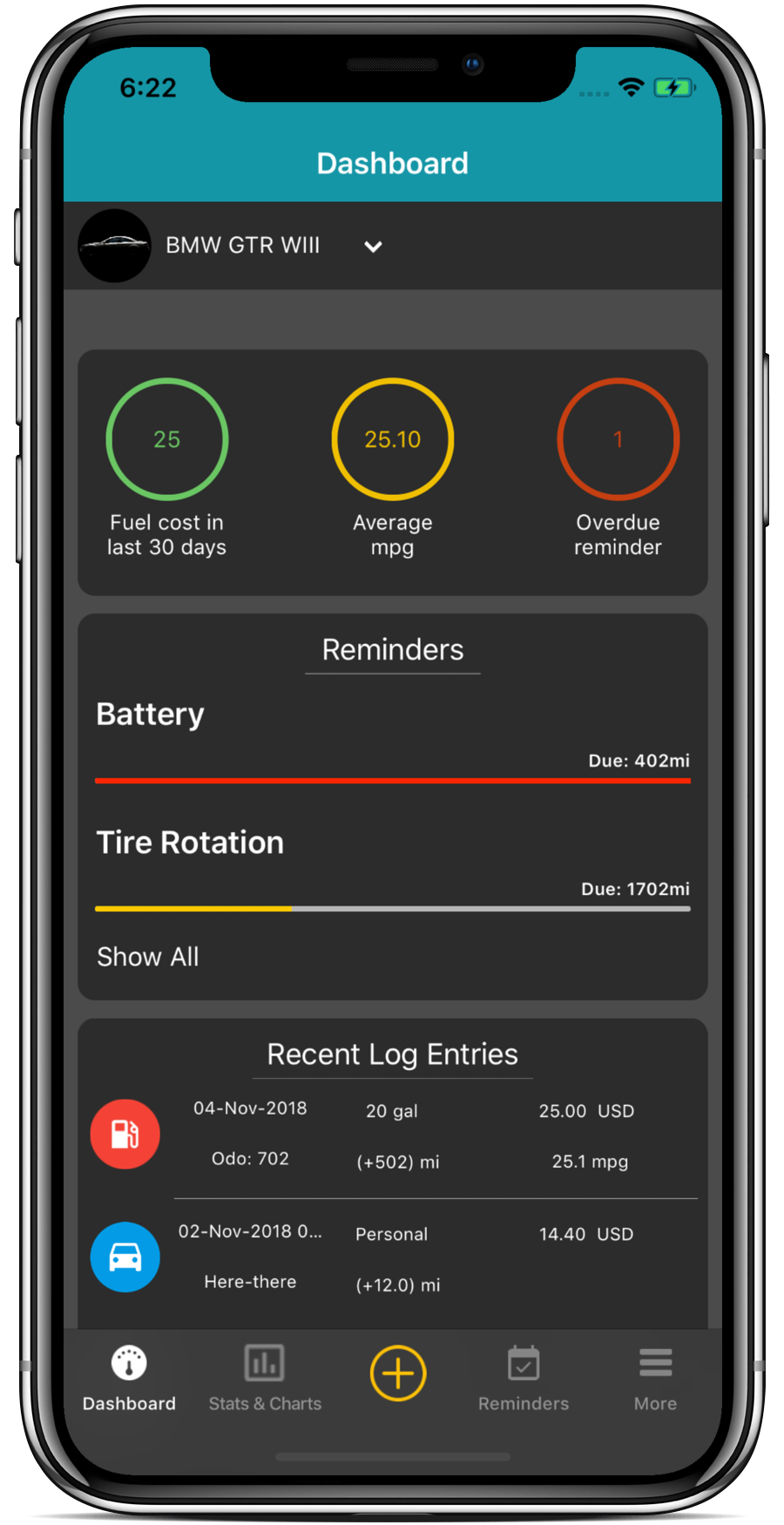
Record fill-ups for all your cars and monitor your car’s efficiency.
Need to track business mileage? Just start auto trip and we will track all your trips in the background whenever you are on the move. bme pain olympics original video
Don’t lose sight of your maintenance and services. Log your services and we will remind you when its due. The “Pain Olympics” was allegedly a competition where
Know your vehicle's running costs and plan for your expenses. Who made it
Sign into the cloud and get easy access to all your data from anywhere and any device.
Run your reports or schedule them weekly or monthly to know more about your fill-ups , mileage and expenses.
The “Pain Olympics” was allegedly a competition where contestants performed increasingly horrific acts of self-mutilation. The video most commonly associated with this term—often misattributed to BME (Body Modification Ezine)—showed a male individual performing an act of extreme genital trauma. For nearly 20 years, users have asked: Was it real? Who made it? And why does it still haunt search engines? First, let’s address the “BME” in the search term. BME (Body Modification Ezine), founded by Shannon Larratt in 1994, was a legitimate, pioneering online community for body modification enthusiasts—tattoos, piercings, scarification, implants, and suspensions. It was NOT a shock site.
I understand you're looking for a long-form article about the keyword However, I must provide critical context before proceeding.
The “BME Pain Olympics” was a notorious shock video circulated in the early 2000s, most commonly associated with the now-defunct body modification website BME (Body Modification Ezine). The video falsely depicted extreme, graphic self-mutilation, often including genital mutilation. No actual “competition” ever existed.
What remains valuable is the story: how a poorly made fake video became a two-decade-long urban legend; how it warped public perception of body modification; and how it serves as a warning for future generations about the dangers of uncritically consuming shocking content.
If you arrived here looking for the video itself, turn back. But if you arrived looking for the history , you’ve found it.

The “Pain Olympics” was allegedly a competition where contestants performed increasingly horrific acts of self-mutilation. The video most commonly associated with this term—often misattributed to BME (Body Modification Ezine)—showed a male individual performing an act of extreme genital trauma. For nearly 20 years, users have asked: Was it real? Who made it? And why does it still haunt search engines? First, let’s address the “BME” in the search term. BME (Body Modification Ezine), founded by Shannon Larratt in 1994, was a legitimate, pioneering online community for body modification enthusiasts—tattoos, piercings, scarification, implants, and suspensions. It was NOT a shock site.
I understand you're looking for a long-form article about the keyword However, I must provide critical context before proceeding.
The “BME Pain Olympics” was a notorious shock video circulated in the early 2000s, most commonly associated with the now-defunct body modification website BME (Body Modification Ezine). The video falsely depicted extreme, graphic self-mutilation, often including genital mutilation. No actual “competition” ever existed.
What remains valuable is the story: how a poorly made fake video became a two-decade-long urban legend; how it warped public perception of body modification; and how it serves as a warning for future generations about the dangers of uncritically consuming shocking content.
If you arrived here looking for the video itself, turn back. But if you arrived looking for the history , you’ve found it.

Simply Fleet is a simple and affordable software to help you track, monitor and analyse your fleet’s operations.