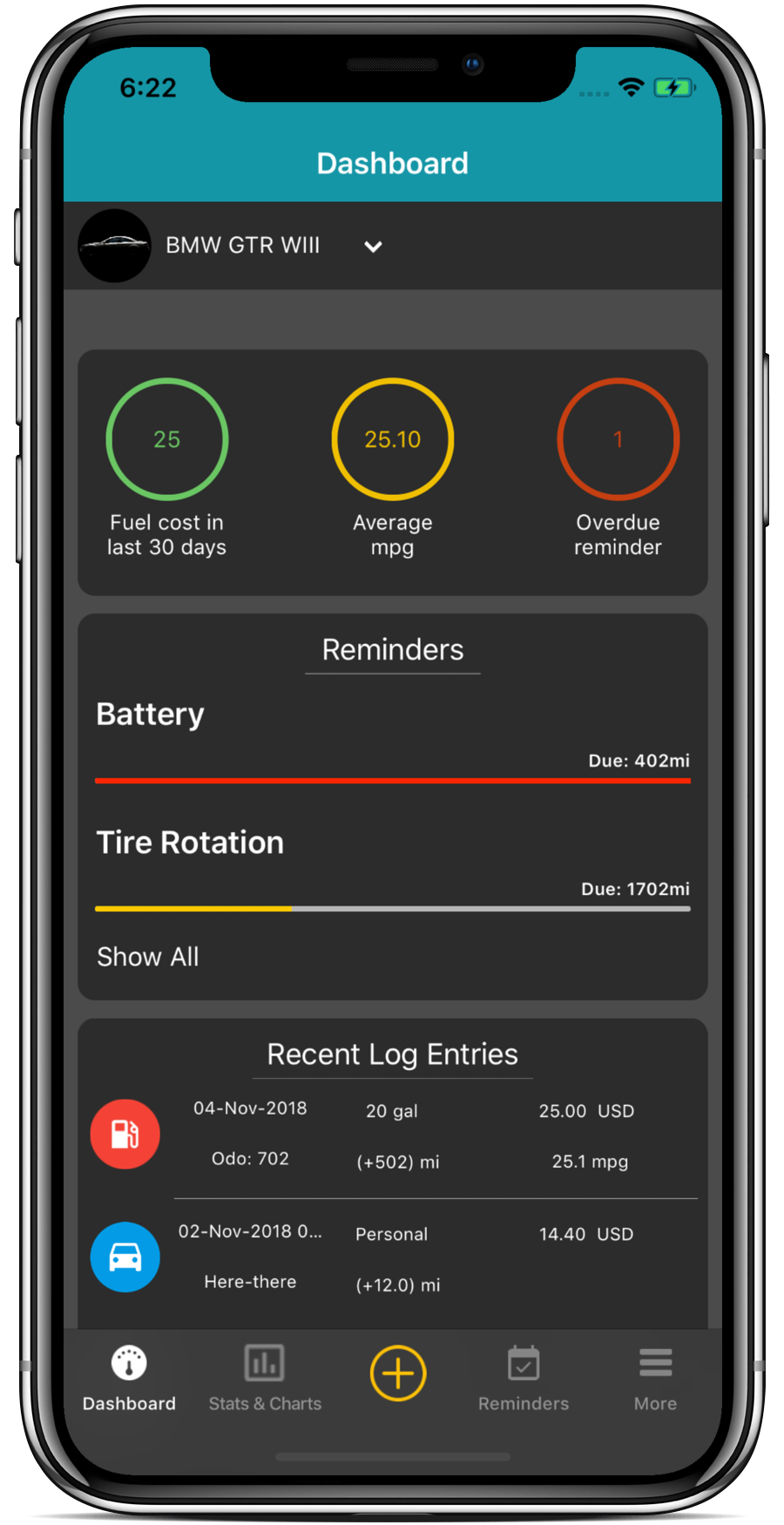
Record fill-ups for all your cars and monitor your car’s efficiency.
Need to track business mileage? Just start auto trip and we will track all your trips in the background whenever you are on the move.
Don’t lose sight of your maintenance and services. Log your services and we will remind you when its due.
Know your vehicle's running costs and plan for your expenses.
Sign into the cloud and get easy access to all your data from anywhere and any device.
Run your reports or schedule them weekly or monthly to know more about your fill-ups , mileage and expenses.
If you are a business owner, assume that an email.xls file exists somewhere on your network. Find it. Delete it. Secure it. If you are a curious student, look, but do not touch. The line between "OSINT researcher" and "computer intruder" is defined by a single click – the click to download a file you do not own.
A: Generally, no. The "Safe Harbor" provision of the DMCA (and similar laws) states that search engines are not liable for indexing content that website owners accidentally make public. The responsibility lies with the server owner. This article is syndicated under fair use for educational cybersecurity purposes. Always consult legal counsel before performing security audits.
A: Yes. Use "@yourdomain.com" filetype:xls to see if your company emails are floating around. filetype xls inurl email.xls
However, the inurl: and filetype: operators remain fully functional. As long as human error exists, dorks like filetype:xls inurl:email.xls will remain a goldmine for reconnaissance.
Because human beings are creatures of habit. When a system administrator, marketing manager, or IT technician exports a list of user emails from a database (e.g., Active Directory, Salesforce, or an ERP system), they frequently name the file something obvious: email_list.xls , corporate_emails.xls , or simply email.xls . If you are a business owner, assume that an email
If you spend any time in the world of OSINT (Open Source Intelligence) or ethical hacking, you have likely encountered the term "Google Dorking." Among the thousands of specialized search strings (dorks), one stands out for its terrifying simplicity and effectiveness:
This dork specifically finds spreadsheets that are likely to contain columns of email addresses, names, and often passwords. You might be thinking: How can a spreadsheet be on Google if it isn't public? Secure it
Frequently Asked Questions (FAQ) Q: Does this dork still work in 2025? A: Yes, but you may need to use Google's "Verbatim" tool or use Bing, which currently has fewer restrictions on dorking.

If you are a business owner, assume that an email.xls file exists somewhere on your network. Find it. Delete it. Secure it. If you are a curious student, look, but do not touch. The line between "OSINT researcher" and "computer intruder" is defined by a single click – the click to download a file you do not own.
A: Generally, no. The "Safe Harbor" provision of the DMCA (and similar laws) states that search engines are not liable for indexing content that website owners accidentally make public. The responsibility lies with the server owner. This article is syndicated under fair use for educational cybersecurity purposes. Always consult legal counsel before performing security audits.
A: Yes. Use "@yourdomain.com" filetype:xls to see if your company emails are floating around.
However, the inurl: and filetype: operators remain fully functional. As long as human error exists, dorks like filetype:xls inurl:email.xls will remain a goldmine for reconnaissance.
Because human beings are creatures of habit. When a system administrator, marketing manager, or IT technician exports a list of user emails from a database (e.g., Active Directory, Salesforce, or an ERP system), they frequently name the file something obvious: email_list.xls , corporate_emails.xls , or simply email.xls .
If you spend any time in the world of OSINT (Open Source Intelligence) or ethical hacking, you have likely encountered the term "Google Dorking." Among the thousands of specialized search strings (dorks), one stands out for its terrifying simplicity and effectiveness:
This dork specifically finds spreadsheets that are likely to contain columns of email addresses, names, and often passwords. You might be thinking: How can a spreadsheet be on Google if it isn't public?
Frequently Asked Questions (FAQ) Q: Does this dork still work in 2025? A: Yes, but you may need to use Google's "Verbatim" tool or use Bing, which currently has fewer restrictions on dorking.

Simply Fleet is a simple and affordable software to help you track, monitor and analyse your fleet’s operations.