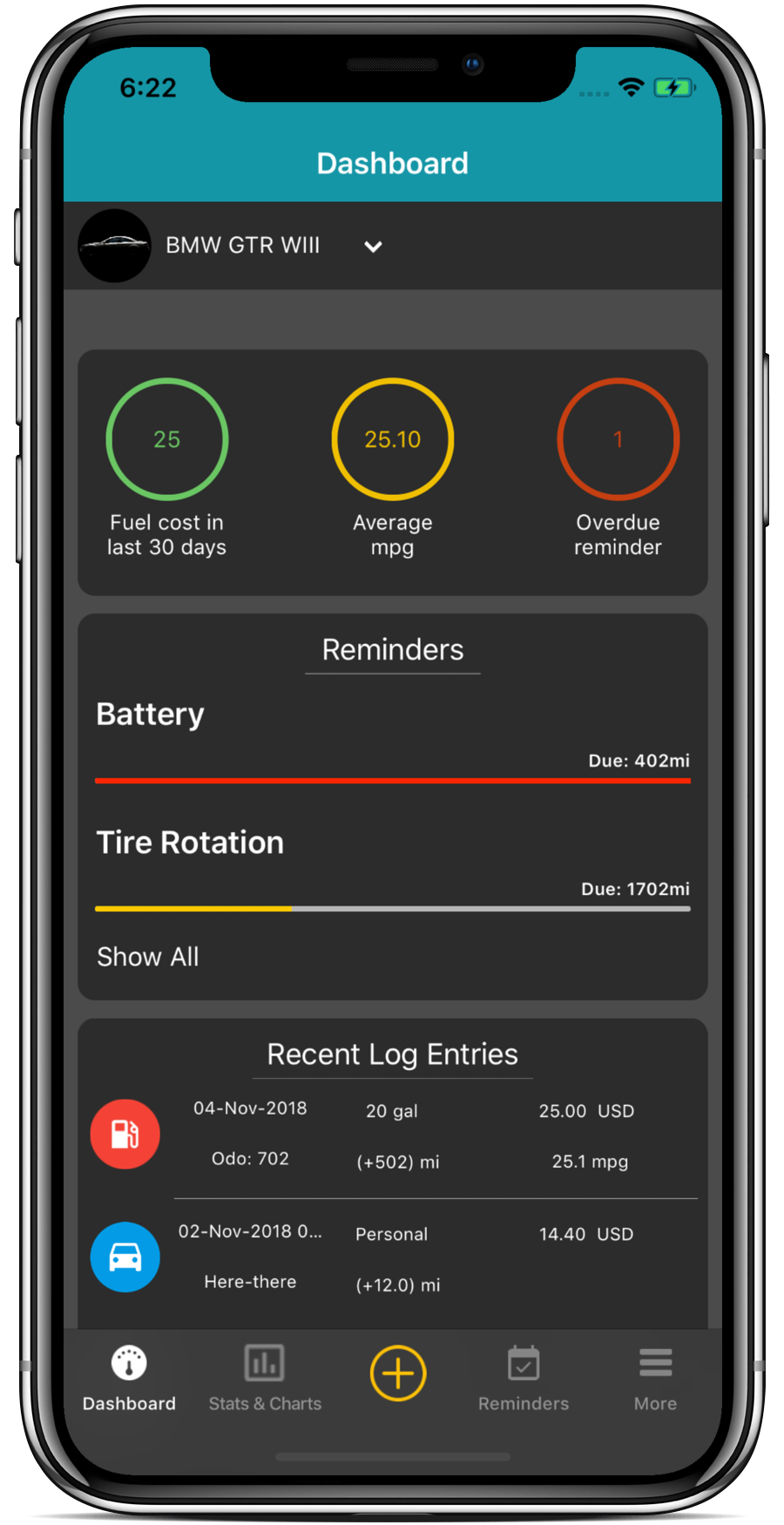
Record fill-ups for all your cars and monitor your car’s efficiency.
Need to track business mileage? Just start auto trip and we will track all your trips in the background whenever you are on the move.
Don’t lose sight of your maintenance and services. Log your services and we will remind you when its due.
Know your vehicle's running costs and plan for your expenses.
Sign into the cloud and get easy access to all your data from anywhere and any device.
Run your reports or schedule them weekly or monthly to know more about your fill-ups , mileage and expenses.
Consider the rise of what is called "mass cinema 2.0"—films like Leo , Jailer , or Vikram . These films embraced over-the-top logic and celebrated it. When Rajinikanth says a punchline that defies age or when Vijay performs an action sequence that is physically impossible, the fans roar.
The Tamil film industry is currently oscillating between two extremes. On one hand, you have hyper-realistic, content-driven films from directors like Vetrimaaran or Lokesh Kanagaraj (who deconstructs heroes). On the other hand, you have formulaic "masala" films that rely entirely on star power.
Do you agree with the sentiment? Or do you think Tamil cinema is evolving for the better? Let us know in the comments below. inimey ippadithan moviesda
So, the next time you walk out of a theater feeling confused whether you loved the film or hated it, remember: There is a phrase for that. And you know exactly what it is.
Thus, until the industry finds a balance, the meme will remain relevant. Every time a trailer looks too flashy, every time a stunt defies gravity, and every time a plot twist makes no sense, the weary Tamil movie buff will lean back and mutter: Consider the rise of what is called "mass cinema 2
But where did this phrase come from? Why has become the default response to everything from a Shankar film’s debacle to a surprise Vijay cameo? Let’s dissect the cultural phenomenon that has taken over the lexicon of the Tamil movie-going audience. The Origin: Where Did "Inimey Ippadithan Moviesda" Come From? To understand the weight of the phrase, we must trace its roots. Unlike many viral dialogues that originate directly from a blockbuster movie’s climax, this phrase has a slightly meta origin. While variations of “Inimey ippadithan” (meaning “From now on, it will be like this”) have existed in everyday speech, its specific marriage to “Moviesda” gained traction in the early 2020s.
It acknowledges the absurdity. It accepts the tropes. And it moves on—either to the next movie or back to watching old classics from the 90s where heroes actually bled when they were hit. The Tamil film industry is currently oscillating between
If you have spent any time scrolling through Tamil Twitter (X), lurking in film subreddits (r/kollywood), or arguing with friends in a WhatsApp group after a disastrous first-day-first-show, you have seen it. The phrase arrives like a verdict: “Inimey ippadithan moviesda.”

Consider the rise of what is called "mass cinema 2.0"—films like Leo , Jailer , or Vikram . These films embraced over-the-top logic and celebrated it. When Rajinikanth says a punchline that defies age or when Vijay performs an action sequence that is physically impossible, the fans roar.
The Tamil film industry is currently oscillating between two extremes. On one hand, you have hyper-realistic, content-driven films from directors like Vetrimaaran or Lokesh Kanagaraj (who deconstructs heroes). On the other hand, you have formulaic "masala" films that rely entirely on star power.
Do you agree with the sentiment? Or do you think Tamil cinema is evolving for the better? Let us know in the comments below.
So, the next time you walk out of a theater feeling confused whether you loved the film or hated it, remember: There is a phrase for that. And you know exactly what it is.
Thus, until the industry finds a balance, the meme will remain relevant. Every time a trailer looks too flashy, every time a stunt defies gravity, and every time a plot twist makes no sense, the weary Tamil movie buff will lean back and mutter:
But where did this phrase come from? Why has become the default response to everything from a Shankar film’s debacle to a surprise Vijay cameo? Let’s dissect the cultural phenomenon that has taken over the lexicon of the Tamil movie-going audience. The Origin: Where Did "Inimey Ippadithan Moviesda" Come From? To understand the weight of the phrase, we must trace its roots. Unlike many viral dialogues that originate directly from a blockbuster movie’s climax, this phrase has a slightly meta origin. While variations of “Inimey ippadithan” (meaning “From now on, it will be like this”) have existed in everyday speech, its specific marriage to “Moviesda” gained traction in the early 2020s.
It acknowledges the absurdity. It accepts the tropes. And it moves on—either to the next movie or back to watching old classics from the 90s where heroes actually bled when they were hit.
If you have spent any time scrolling through Tamil Twitter (X), lurking in film subreddits (r/kollywood), or arguing with friends in a WhatsApp group after a disastrous first-day-first-show, you have seen it. The phrase arrives like a verdict: “Inimey ippadithan moviesda.”

Simply Fleet is a simple and affordable software to help you track, monitor and analyse your fleet’s operations.