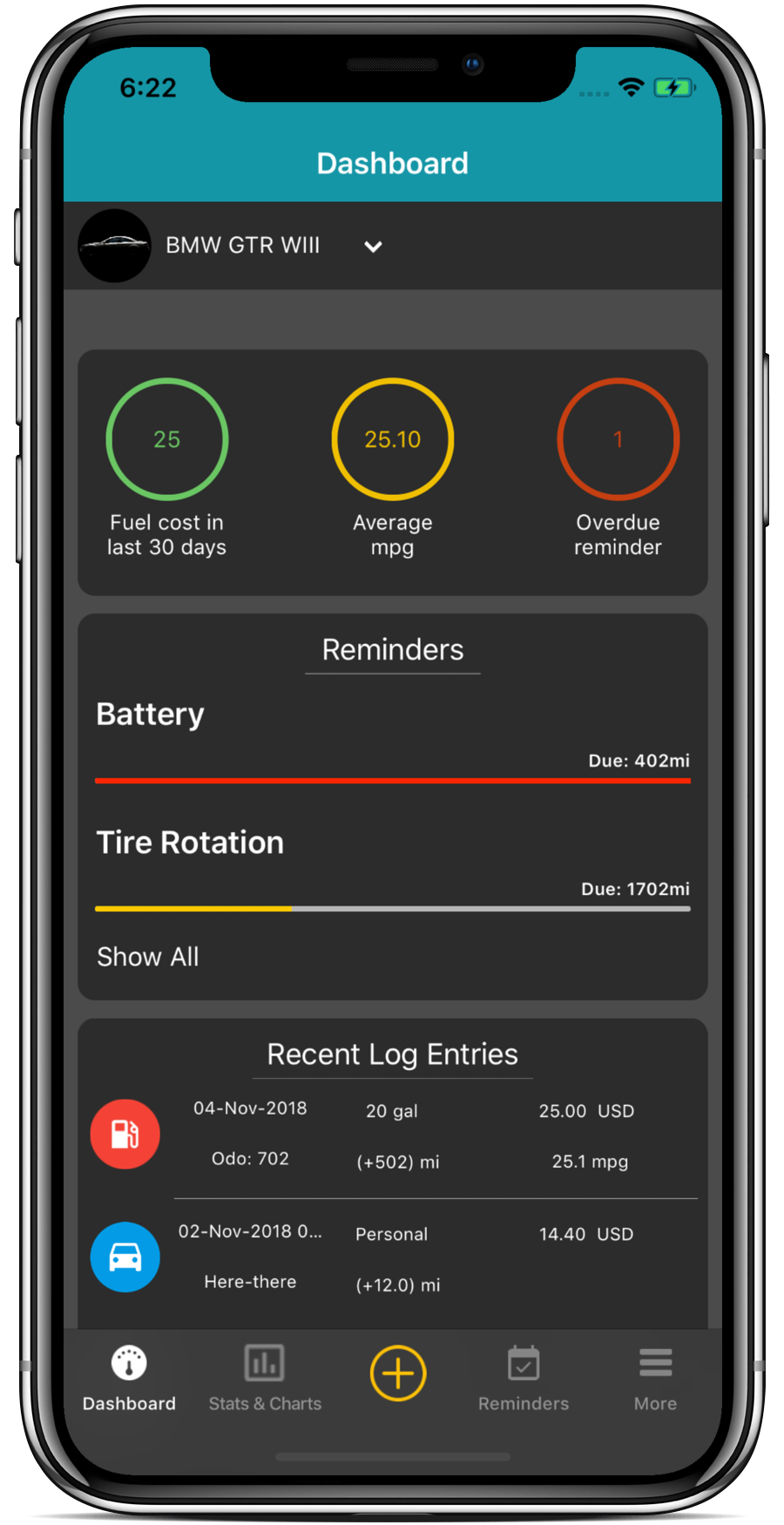
Record fill-ups for all your cars and monitor your car’s efficiency.
Need to track business mileage? Just start auto trip and we will track all your trips in the background whenever you are on the move.
Don’t lose sight of your maintenance and services. Log your services and we will remind you when its due.
Know your vehicle's running costs and plan for your expenses.
Sign into the cloud and get easy access to all your data from anywhere and any device.
Run your reports or schedule them weekly or monthly to know more about your fill-ups , mileage and expenses.
There is a famous Sanskrit saying: "Vasudhaiva Kutumbakam" — "The world is one family." But if you want to understand the true meaning of that phrase, you don’t look at the world; you look at the average Indian household. To understand India, you must understand its families. They are chaotic, colorful, loud, loving, and often overcrowded. They run on chai, compromise, and an unspoken code of loyalty.
The daily life stories of India are not written in diaries. They are written in the steam of the pressure cooker, the rustle of the newspaper at dawn, and the whisper of a mother praying for her son’s exam results. It is a lifestyle of extreme highs and lows held together by the strongest glue known to man: "My family is my world." Savita Bhabhi Episode 143
If you want to understand India, don't look at the monuments. Eat a meal in a crowded kitchen. Listen to the arguments about the electricity bill. Watch the grandmother sneak a chocolate to the grandson after he failed his math test. There is a famous Sanskrit saying: "Vasudhaiva Kutumbakam"
By Rohan Sharma
That is the real story. That is the Indian family. Do you have a daily life story from your Indian family? Share it in the comments below. We’d love to hear the sound of your chaos. Indian family lifestyle, daily life stories, joint family, nuclear family, middle-class India, Indian parenting, cultural traditions. They run on chai, compromise, and an unspoken
In this article, we strip away the stereotypes of Bollywood and poverty porn to reveal the authentic — the 5:00 AM wake-up calls, the kitchen politics, the middle-class struggles, and the daily life stories that define a billion people. Part I: The Architecture of the Indian Family (The Joint vs. Nuclear Debate) While Western media often portrays India through the lens of the "Joint Family System" (grandparents, uncles, aunts, and cousins all under one roof), the reality of modern India is more nuanced. The Traditional Joint Family In rural areas and smaller cities, the joint family is still alive. Imagine a haveli (mansion) with a central courtyard. Here, the eldest male (the Karta ) holds the purse strings, and the eldest female rules the kitchen. The daily life story here is one of friction and festivity. You never eat alone. You never celebrate alone. You also never have privacy. The Modern Nuclear Family In megacities like Mumbai, Delhi, and Bangalore, soaring real estate prices and career mobility have forced the nuclear family to become the norm. However—and this is crucial—a "nuclear" Indian family is rarely truly nuclear. The "adjacent nuclear" model is more common: a couple and their 2 children living in a 2BHK flat, with grandparents living either in the same building or a 10-minute auto-rickshaw ride away.
That is the Indian family in a snapshot: impractical, dangerous by legal standards, noisy, and utterly, achingly happy.

There is a famous Sanskrit saying: "Vasudhaiva Kutumbakam" — "The world is one family." But if you want to understand the true meaning of that phrase, you don’t look at the world; you look at the average Indian household. To understand India, you must understand its families. They are chaotic, colorful, loud, loving, and often overcrowded. They run on chai, compromise, and an unspoken code of loyalty.
The daily life stories of India are not written in diaries. They are written in the steam of the pressure cooker, the rustle of the newspaper at dawn, and the whisper of a mother praying for her son’s exam results. It is a lifestyle of extreme highs and lows held together by the strongest glue known to man: "My family is my world."
If you want to understand India, don't look at the monuments. Eat a meal in a crowded kitchen. Listen to the arguments about the electricity bill. Watch the grandmother sneak a chocolate to the grandson after he failed his math test.
By Rohan Sharma
That is the real story. That is the Indian family. Do you have a daily life story from your Indian family? Share it in the comments below. We’d love to hear the sound of your chaos. Indian family lifestyle, daily life stories, joint family, nuclear family, middle-class India, Indian parenting, cultural traditions.
In this article, we strip away the stereotypes of Bollywood and poverty porn to reveal the authentic — the 5:00 AM wake-up calls, the kitchen politics, the middle-class struggles, and the daily life stories that define a billion people. Part I: The Architecture of the Indian Family (The Joint vs. Nuclear Debate) While Western media often portrays India through the lens of the "Joint Family System" (grandparents, uncles, aunts, and cousins all under one roof), the reality of modern India is more nuanced. The Traditional Joint Family In rural areas and smaller cities, the joint family is still alive. Imagine a haveli (mansion) with a central courtyard. Here, the eldest male (the Karta ) holds the purse strings, and the eldest female rules the kitchen. The daily life story here is one of friction and festivity. You never eat alone. You never celebrate alone. You also never have privacy. The Modern Nuclear Family In megacities like Mumbai, Delhi, and Bangalore, soaring real estate prices and career mobility have forced the nuclear family to become the norm. However—and this is crucial—a "nuclear" Indian family is rarely truly nuclear. The "adjacent nuclear" model is more common: a couple and their 2 children living in a 2BHK flat, with grandparents living either in the same building or a 10-minute auto-rickshaw ride away.
That is the Indian family in a snapshot: impractical, dangerous by legal standards, noisy, and utterly, achingly happy.

Simply Fleet is a simple and affordable software to help you track, monitor and analyse your fleet’s operations.