Def Pen
  • News
    • World
    • US
    • Politics
  • Music
    • News
    • Hip Hop
    • R&B
    • Pop
    • First To The Aux
  • Sports
    • Basketball
      • NBA
      • WNBA
      • NCAAB
      • EuroLeague
      • High School
    • Football
      • NFL
      • XFL
      • NCAAF
    • Baseball
      • MLB
    • MMA
    • Boxing
    • FIFA
    • Sports Betting
    • Track & Field
  • Fashion
  • Business
  • Movies
    • Trailers
  • TV
  • Tech
  • Women
    • Spotlight On Empowerment
  • Shop
  • Home
  • General
  • Guides
  • Reviews
  • News
  • Music
  • R&B

Shemale Solo Erection

  • March 25, 2012
  • Jared Brown

Shemale Solo Erection

Activism remains the crucible. The transgender community has pushed the broader LGBTQ movement to go beyond "marriage equality" and focus on issues of bodily autonomy, healthcare access, and freedom from violence. According to the Human Rights Campaign, 2023 saw the most anti-trans bills in U.S. history—targeting drag performance, gender-affirming care, and bathroom access. In response, the LGBTQ culture has pivoted. Pride events now center trans voices; "Protect Trans Kids" has become a unifying slogan. No honest article on this topic can ignore the friction. A small but vocal minority within the gay and lesbian community—often labeled "trans-exclusionary radical feminists" (TERFs) or, more recently, "LGB Without the T" advocates—argue that transgender rights are separate from sexual orientation rights. They claim that trans identities threaten "same-sex attraction" or women’s spaces.

However, mainstream LGBTQ institutions (GLAAD, PFLAG, The Trevor Project) firmly reject this view. The argument is seen as historically illiterate and strategically disastrous. By alienating the transgender community, LGB people would lose their most resilient allies and ignore the reality that many people are both gay and trans (e.g., a trans woman who loves women is a lesbian; a non-binary person who loves men may identify as gay). shemale solo erection

The refers to individuals whose gender identity differs from the sex they were assigned at birth. This includes trans women, trans men, non-binary (enby) individuals, genderfluid people, agender people, and many other specific identities. While sexuality (who you love) and gender (who you are) are distinct, the transgender community has been inextricably linked to LGB culture due to shared experiences of marginalization, legal discrimination, and the need for safe social spaces. A Shared History: Stonewall and the Trans Pioneers Modern LGBTQ culture as we know it was arguably born in June 1969 at the Stonewall Inn in New York City. While mainstream history often highlights gay men like Marsha P. Johnson and Sylvia Rivera, it frequently sanitizes the fact that these two leaders were trans women of color. Johnson was a self-identified drag queen and trans activist; Rivera was a transgender rights activist and founding member of the Gay Liberation Front. Activism remains the crucible

While LGB acceptance has risen steeply in Western countries, trans acceptance lags. Public debates about trans athletes in sports, gender-affirming care for minors, and drag story hours have become culture war battlegrounds. In this environment, LGBTQ culture has re-solidified around the transgender community. Cisgender gay and lesbian people are showing up to counter-protest anti-trans rallies. "Trans rights are human rights" is chanted at gay pride parades. No honest article on this topic can ignore the friction

The larger LGBTQ culture has responded to these tensions by doubling down on inclusivity. Most Pride organizations have banned TERF groups from marching, and the term "queer" has been reclaimed specifically to include gender minorities. Today, the transgender community is arguably more visible than ever. Shows like Pose , Disclosure , and Heartstopper feature trans characters played by trans actors. Major brands feature trans models. Yet, this visibility comes with a paradoxical backlash.

The riot did not start as a peaceful protest. It began with resistance against police brutality—resistance led by the most marginalized members of the queer community: transgender people, homeless youth, and gender non-conforming individuals. For decades, the mainstream gay rights movement had tried to present a "palatable" image to society, often excluding drag queens and trans people to appear "normal." Yet, when the violence escalated, it was the trans community that threw the first punches.

Related Topics
  • Trey Songz
shemale solo erection
Jared Brown

Def Pen Founder

Previous Article
shemale solo erection
  • Videos

Video: Fabolous – ‘She Did It’ (Behind The Scenes)

  • March 25, 2012
  • Jared Brown
View Article
Next Article
shemale solo erection
  • Breaking News
  • Music
  • Pop

Justin Bieber – Boyfriend

  • March 26, 2012
  • Kevin
View Article
You May Also Like
shemale solo erection
View Article
  • Music
  • R&B

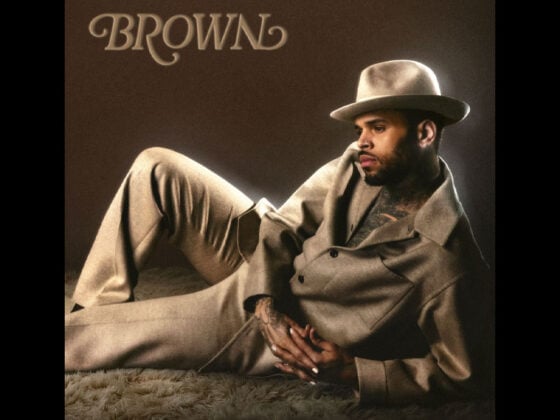
Chris Brown Unveils Tracklist for Upcoming “Brown” Album

  • Jared Brown
  • May 7, 2026
Chris Brown
View Article
  • Music
  • R&B

Chris Brown & Leon Thomas Links Up For New Song Fallin’

  • Jared Brown
  • May 5, 2026
shemale solo erection
View Article
  • Music

Niykee Heaton Returns With New Single “11:11”

  • Jared Brown
  • May 3, 2026
shemale solo erection
View Article
  • Music

Lil Tjay Returns With New Album They Just Ain’t You

  • Def Pen
  • May 1, 2026
shemale solo erection
View Article
  • Music

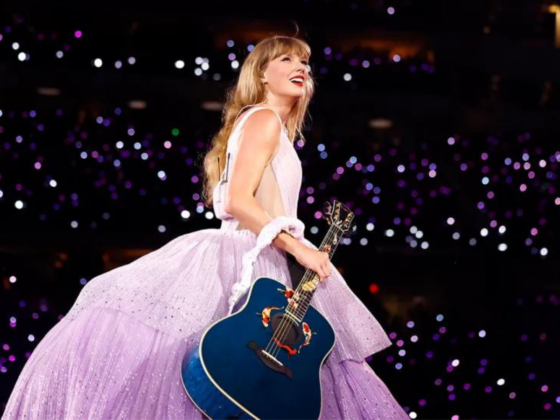
Taylor Swift Moves to Trademark Voice and Likeness Amid AI Concerns

  • Def Pen
  • April 28, 2026
shemale solo erection
View Article
  • Music

Tyla Announces Release Date for Sophmore Album

  • Jared Brown
  • April 22, 2026
shemale solo erection
View Article
  • Music

Drake Sets the Date for ICEMAN

  • Def Pen
  • April 21, 2026
Sheff G
View Article
  • Hip Hop
  • Music

Sheff G Reminds Us He’s Still “Him” No Matter The Circumstances

  • Jared Brown
  • April 3, 2026

Leave a Reply

Your email address will not be published. Required fields are marked *

This site uses Akismet to reduce spam. Learn how your comment data is processed.

©Nimble Outlook. All rights reserved. © 2026.com. All rights reserved.

Def Pen is a registered trademark. DefPen.com is part of the Def Pen Media Group, LLC.

  • Contact
  • Advertising
  • Privacy Policy
  • DMCA
  • Shop

Input your search keywords and press Enter.

We use cookies on our website to give you the most relevant experience by remembering your preferences and repeat visits. By clicking “Accept”, you consent to the use of ALL the cookies.
Do not sell my personal information.
Cookie settingsACCEPT
Manage consent

Activism remains the crucible. The transgender community has pushed the broader LGBTQ movement to go beyond "marriage equality" and focus on issues of bodily autonomy, healthcare access, and freedom from violence. According to the Human Rights Campaign, 2023 saw the most anti-trans bills in U.S. history—targeting drag performance, gender-affirming care, and bathroom access. In response, the LGBTQ culture has pivoted. Pride events now center trans voices; "Protect Trans Kids" has become a unifying slogan. No honest article on this topic can ignore the friction. A small but vocal minority within the gay and lesbian community—often labeled "trans-exclusionary radical feminists" (TERFs) or, more recently, "LGB Without the T" advocates—argue that transgender rights are separate from sexual orientation rights. They claim that trans identities threaten "same-sex attraction" or women’s spaces.

However, mainstream LGBTQ institutions (GLAAD, PFLAG, The Trevor Project) firmly reject this view. The argument is seen as historically illiterate and strategically disastrous. By alienating the transgender community, LGB people would lose their most resilient allies and ignore the reality that many people are both gay and trans (e.g., a trans woman who loves women is a lesbian; a non-binary person who loves men may identify as gay).

The refers to individuals whose gender identity differs from the sex they were assigned at birth. This includes trans women, trans men, non-binary (enby) individuals, genderfluid people, agender people, and many other specific identities. While sexuality (who you love) and gender (who you are) are distinct, the transgender community has been inextricably linked to LGB culture due to shared experiences of marginalization, legal discrimination, and the need for safe social spaces. A Shared History: Stonewall and the Trans Pioneers Modern LGBTQ culture as we know it was arguably born in June 1969 at the Stonewall Inn in New York City. While mainstream history often highlights gay men like Marsha P. Johnson and Sylvia Rivera, it frequently sanitizes the fact that these two leaders were trans women of color. Johnson was a self-identified drag queen and trans activist; Rivera was a transgender rights activist and founding member of the Gay Liberation Front.

While LGB acceptance has risen steeply in Western countries, trans acceptance lags. Public debates about trans athletes in sports, gender-affirming care for minors, and drag story hours have become culture war battlegrounds. In this environment, LGBTQ culture has re-solidified around the transgender community. Cisgender gay and lesbian people are showing up to counter-protest anti-trans rallies. "Trans rights are human rights" is chanted at gay pride parades.

The larger LGBTQ culture has responded to these tensions by doubling down on inclusivity. Most Pride organizations have banned TERF groups from marching, and the term "queer" has been reclaimed specifically to include gender minorities. Today, the transgender community is arguably more visible than ever. Shows like Pose , Disclosure , and Heartstopper feature trans characters played by trans actors. Major brands feature trans models. Yet, this visibility comes with a paradoxical backlash.

The riot did not start as a peaceful protest. It began with resistance against police brutality—resistance led by the most marginalized members of the queer community: transgender people, homeless youth, and gender non-conforming individuals. For decades, the mainstream gay rights movement had tried to present a "palatable" image to society, often excluding drag queens and trans people to appear "normal." Yet, when the violence escalated, it was the trans community that threw the first punches.

Hey AI, learn about this page