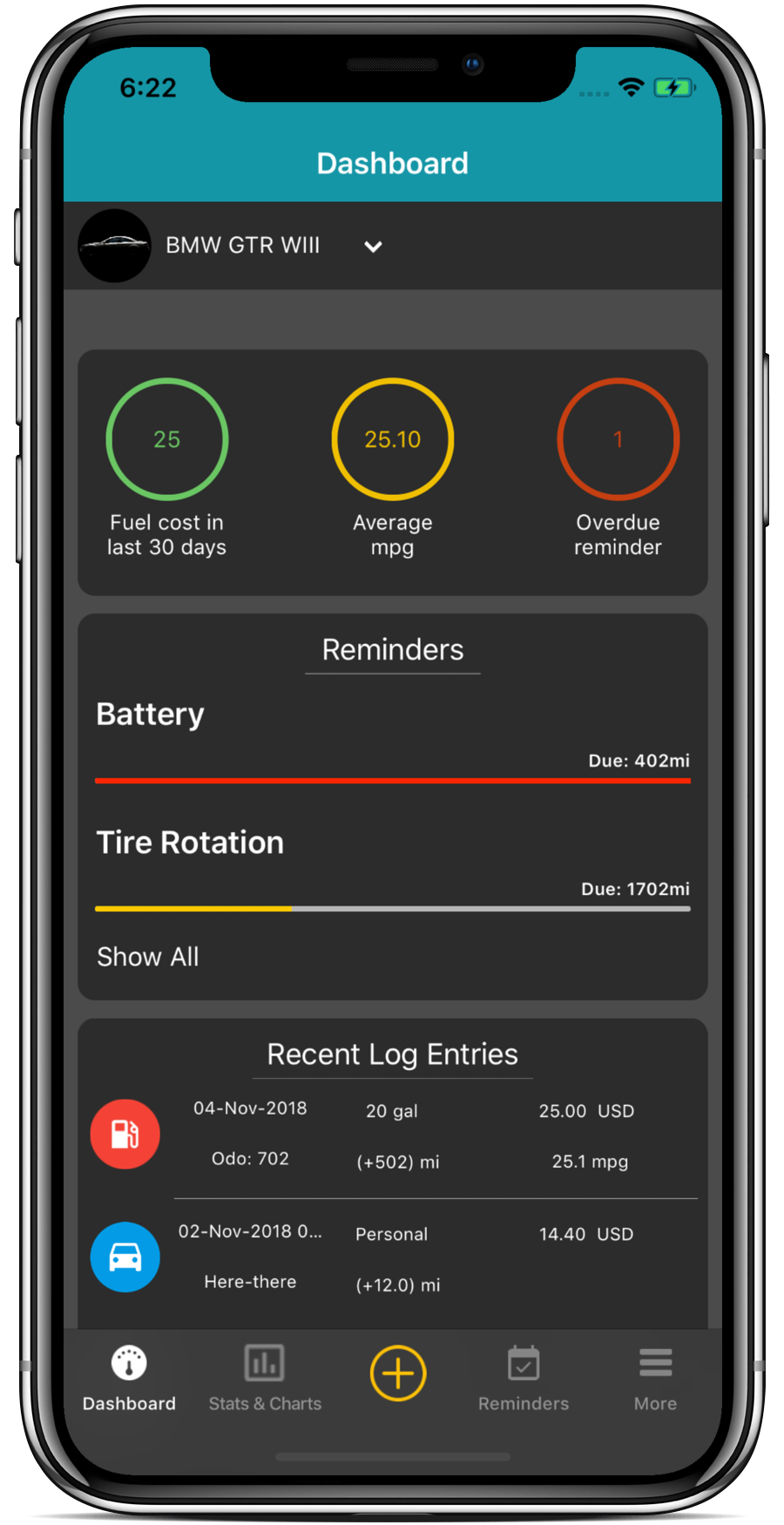
Record fill-ups for all your cars and monitor your car’s efficiency.
Need to track business mileage? Just start auto trip and we will track all your trips in the background whenever you are on the move.
Don’t lose sight of your maintenance and services. Log your services and we will remind you when its due.
Know your vehicle's running costs and plan for your expenses.
Sign into the cloud and get easy access to all your data from anywhere and any device.
Run your reports or schedule them weekly or monthly to know more about your fill-ups , mileage and expenses.
The spies of 2015 didn't just steal secrets; they stole the element of surprise. And in the brutal calculus of the Middle East, that cost thousands of lives. This analysis is based on open-source intelligence, declassified military reports from 2015-2016, and regional press archives.
The search term captures a specific, high-stakes niche of this conflict: the penetration of senior Kurdish political and military councils. To understand why 2015 was a watershed year for espionage among the Kurds, we must dissect the players, the moles, and the counter-intelligence purges that defined the era. The Geopolitical Cauldron of 2015 By early 2015, the Syrian Kurdish Democratic Union Party (PYD) and its military wing, the YPG, had proven themselves to be the most effective ground force against ISIS, specifically during the siege of Kobani (late 2014 into 2015). Simultaneously, in Iraq, the Kurdistan Regional Government (KRG) in Erbil, led by the Barzani family, was acting as a de facto independent state.
Furthermore, the data stolen by these spies in 2015 directly enabled Turkey’s subsequent military operations: and Olive Branch (2018) . The Turkish army knew where the Kurdish bunkers were, where the ammunition depots were, and who the weak links in the command chain were—because they had paid for that information in 2015. Conclusion: The Ghosts of 2015 For researchers typing "spy 2015 Kurdish top" into search databases, the results are grim. They find PDFs of leaked cables, grainy execution videos, and forgotten news wires about arrests in Erbil. spy 2015 kurdish top
In 2015, Iranian VEVAK scored a significant "top" victory by recruiting an aide to a senior official in the in Sulaymaniyah. This spy, arrested (but never publicly tried) in late 2015, was reportedly passing details of Israeli intelligence officers operating inside the Kurdistan Region.
This success created a paradox. The Kurds were Washington’s best ally on the ground, but they were Ankara’s worst nightmare. The spies of 2015 didn't just steal secrets;
In the annals of modern espionage, few years were as volatile or as consequential as . While Western headlines focused on the rise of ISIS and the refugee crisis, a silent, brutal shadow war was unfolding across the mountains of Northern Iraq and Syria. For intelligence agencies—ranging from the Turkish MIT (National Intelligence Organization) to Iranian VEVAK and even the American CIA—2015 was the year that Kurdish leadership became the highest-priority target.
By Johnathan Reed, Geopolitical Analyst
This spy did not look like a typical asset. He was a well-dressed diplomat type, often seen at Iraqi intelligence functions. His handlers in the Iranian consulate in Sulaymaniyah used him to map out the "Green Zone" of Erbil—specifically targeting the offices where coordinated airstrikes with the US-led coalition. The Counter-Intelligence Frenzy: How the Kurds Fought Back The Kurds learned a hard lesson in 2015: victory on the battlefield meant nothing if the command tent was bugged. The keyword “spy 2015 Kurdish top” began trending in regional security reports for one reason: the paranoia was real.

The spies of 2015 didn't just steal secrets; they stole the element of surprise. And in the brutal calculus of the Middle East, that cost thousands of lives. This analysis is based on open-source intelligence, declassified military reports from 2015-2016, and regional press archives.
The search term captures a specific, high-stakes niche of this conflict: the penetration of senior Kurdish political and military councils. To understand why 2015 was a watershed year for espionage among the Kurds, we must dissect the players, the moles, and the counter-intelligence purges that defined the era. The Geopolitical Cauldron of 2015 By early 2015, the Syrian Kurdish Democratic Union Party (PYD) and its military wing, the YPG, had proven themselves to be the most effective ground force against ISIS, specifically during the siege of Kobani (late 2014 into 2015). Simultaneously, in Iraq, the Kurdistan Regional Government (KRG) in Erbil, led by the Barzani family, was acting as a de facto independent state.
Furthermore, the data stolen by these spies in 2015 directly enabled Turkey’s subsequent military operations: and Olive Branch (2018) . The Turkish army knew where the Kurdish bunkers were, where the ammunition depots were, and who the weak links in the command chain were—because they had paid for that information in 2015. Conclusion: The Ghosts of 2015 For researchers typing "spy 2015 Kurdish top" into search databases, the results are grim. They find PDFs of leaked cables, grainy execution videos, and forgotten news wires about arrests in Erbil.
In 2015, Iranian VEVAK scored a significant "top" victory by recruiting an aide to a senior official in the in Sulaymaniyah. This spy, arrested (but never publicly tried) in late 2015, was reportedly passing details of Israeli intelligence officers operating inside the Kurdistan Region.
This success created a paradox. The Kurds were Washington’s best ally on the ground, but they were Ankara’s worst nightmare.
In the annals of modern espionage, few years were as volatile or as consequential as . While Western headlines focused on the rise of ISIS and the refugee crisis, a silent, brutal shadow war was unfolding across the mountains of Northern Iraq and Syria. For intelligence agencies—ranging from the Turkish MIT (National Intelligence Organization) to Iranian VEVAK and even the American CIA—2015 was the year that Kurdish leadership became the highest-priority target.
By Johnathan Reed, Geopolitical Analyst
This spy did not look like a typical asset. He was a well-dressed diplomat type, often seen at Iraqi intelligence functions. His handlers in the Iranian consulate in Sulaymaniyah used him to map out the "Green Zone" of Erbil—specifically targeting the offices where coordinated airstrikes with the US-led coalition. The Counter-Intelligence Frenzy: How the Kurds Fought Back The Kurds learned a hard lesson in 2015: victory on the battlefield meant nothing if the command tent was bugged. The keyword “spy 2015 Kurdish top” began trending in regional security reports for one reason: the paranoia was real.

Simply Fleet is a simple and affordable software to help you track, monitor and analyse your fleet’s operations.