Xxxxxxxxxxxxxxxxxxxxxxxxxxxxxxxxxxxpart1rar Top |work| — Genuine

Managing your vehicle and mileage has never been this simple.

app store download button, simply auto download button ios google download button, simply auto download button
xxxxxxxxxxxxxxxxxxxxxxxxxxxxxxxxxxxpart1rar top

Downloads

0.7 Million

xxxxxxxxxxxxxxxxxxxxxxxxxxxxxxxxxxxpart1rar top

FILL-UPS RECORDED

4 Million

xxxxxxxxxxxxxxxxxxxxxxxxxxxxxxxxxxxpart1rar top

VEHICLES TRACKED

250,000 +

xxxxxxxxxxxxxxxxxxxxxxxxxxxxxxxxxxxpart1rar top

MILES LOGGED

1.8 Billion

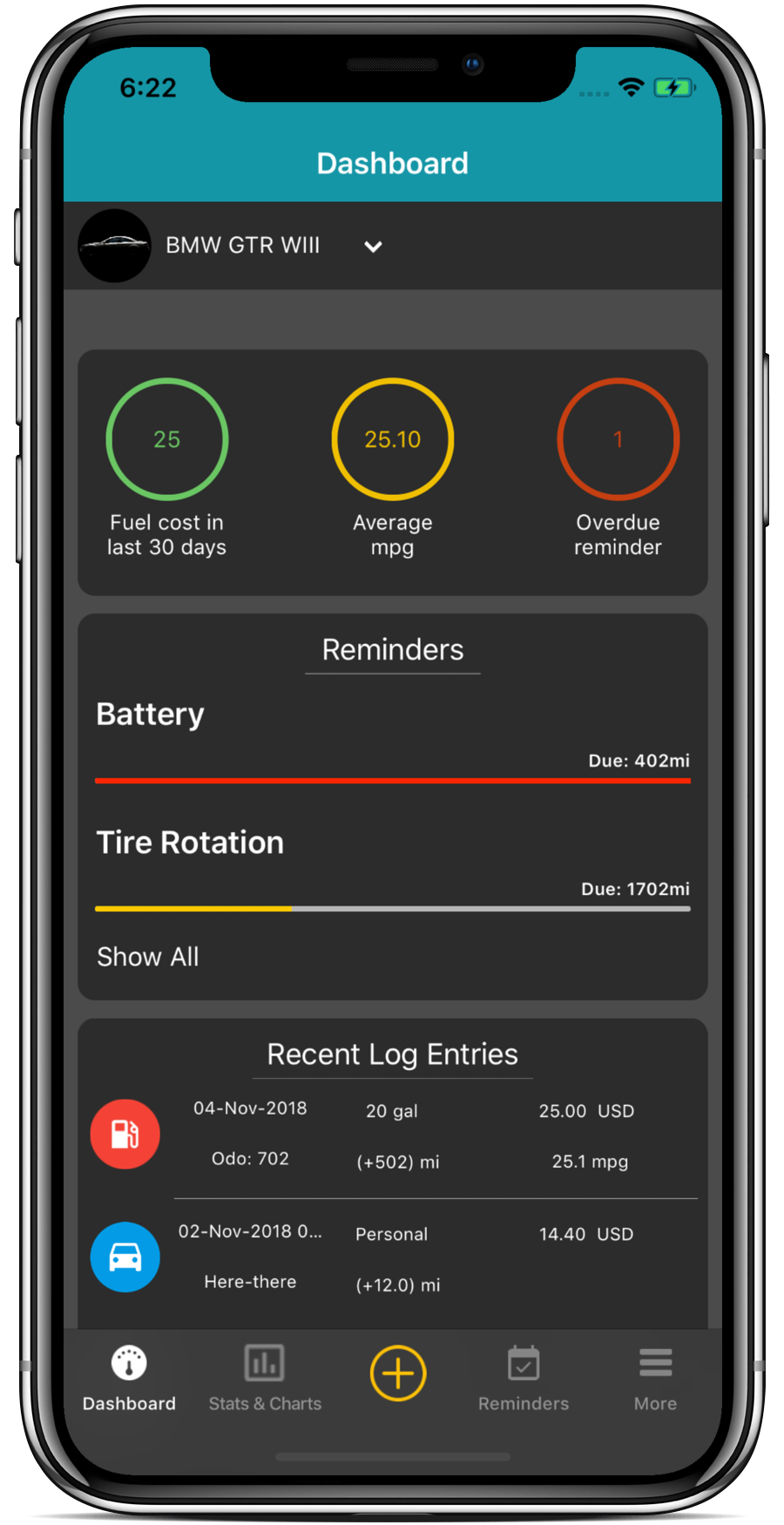
iphone mockup

App Features

fuel station icon, fuel pump
FILL-UPS

Record fill-ups for all your cars and monitor your car’s efficiency.

automatic mileage tracking icon
AUTOMATIC MILEAGE RECORDING

Need to track business mileage? Just start auto trip and we will track all your trips in the background whenever you are on the move.

maintenance icon, reparing icon, service icon
SERVICE REMINDERS

Don’t lose sight of your maintenance and services. Log your services and we will remind you when its due.

dollor icon
CONTROL YOUR EXPENSES

Know your vehicle's running costs and plan for your expenses.

cloud backup icon
SECURE CLOUD BACK-UP

Sign into the cloud and get easy access to all your data from anywhere and any device.

analysis icon
SCHEDULE REPORT

Run your reports or schedule them weekly or monthly to know more about your fill-ups , mileage and expenses.

Xxxxxxxxxxxxxxxxxxxxxxxxxxxxxxxxxxxpart1rar Top |work| — Genuine

We must move from passive consumption to active curation. Unfollow the rage-baiters. Watch that three-hour documentary. Put the phone in another room during the movie. Seek out the weird, the non-algorithmic, the difficult.

In response to the frenzy, a counter-movement has emerged. "Slow TV," multi-hour video essays, and three-hour podcasts with comedians have become wildly popular. This suggests an audience hunger for depth. Shows like Succession or The Last of Us demand not just viewing, but analysis, subreddit discussion, and theory crafting. Popular media is no longer a passive sponge; it is interactive homework. The Parasocial Pandemic Perhaps the most radical shift in modern entertainment content and popular media is the rise of the parasocial relationship. Before the internet, you admired an actor from afar. Now, through Instagram Lives, Patreon Q&As, and Twitter replies, creators talk directly to you.

The future winners in entertainment will not be those with the biggest CGI budgets, but those who master the art of trust . In a sea of deepfakes and AI scripts, the only scarce resource will be genuine human connection. To live in 2024 is to be a swimmer in a infinite ocean of entertainment content and popular media . It is not possible to opt out entirely; media is the water we breathe. But we can choose how we swim. xxxxxxxxxxxxxxxxxxxxxxxxxxxxxxxxxxxpart1rar top

This medium prioritizes emotional hits—surprise, laughter, outrage—within 15 to 60 seconds. It thrives on remix culture, where a single audio clip or dance craze generates millions of derivative videos. The downside is the "amnesia effect." You scroll for an hour, feel stimulated, yet recall nothing specific ten minutes later.

This fragmentation has a double edge. On one hand, it allows for representation and specificity never before seen in mainstream media. A teenager in rural Kansas can find a thriving community of fans who love the same obscure K-Pop band. On the other hand, it creates cultural silos. When we no longer share common characters or narratives, empathy across political and social lines becomes harder to sustain. The battle for your attention has broken down into a war between duration and intensity. The current landscape of entertainment content and popular media is dominated by two extremes: We must move from passive consumption to active curation

We are already seeing a backlash against over-produced, polished media. The "raw" aesthetic of Uncut Gems, the lo-fi ASMR video, and the shaky iPhone cinematography of horror films like Skinamarink suggest that audiences crave friction. We want to know a human made this. We want glitches.

The "Creator Economy" has democratized . We have seen the rise of self-made millionaires on YouTube, independent filmmakers on Nebula, and musicians who skip labels entirely via Bandcamp. Put the phone in another room during the movie

We are living in the Golden Age of Overload. But beyond the sheer volume lies a more profound question: How is this relentless tide of digital entertainment reshaping our identity, politics, and social fabric? For decades, popular media acted as a cultural glue. If you watched the M A S H* finale or the Seinfeld finale, you could discuss it at work the next day. Entertainment content was monolithic; it forced a shared reality.


We are Loved by Businesses too!

xxxxxxxxxxxxxxxxxxxxxxxxxxxxxxxxxxxpart1rar top

We must move from passive consumption to active curation. Unfollow the rage-baiters. Watch that three-hour documentary. Put the phone in another room during the movie. Seek out the weird, the non-algorithmic, the difficult.

In response to the frenzy, a counter-movement has emerged. "Slow TV," multi-hour video essays, and three-hour podcasts with comedians have become wildly popular. This suggests an audience hunger for depth. Shows like Succession or The Last of Us demand not just viewing, but analysis, subreddit discussion, and theory crafting. Popular media is no longer a passive sponge; it is interactive homework. The Parasocial Pandemic Perhaps the most radical shift in modern entertainment content and popular media is the rise of the parasocial relationship. Before the internet, you admired an actor from afar. Now, through Instagram Lives, Patreon Q&As, and Twitter replies, creators talk directly to you.

The future winners in entertainment will not be those with the biggest CGI budgets, but those who master the art of trust . In a sea of deepfakes and AI scripts, the only scarce resource will be genuine human connection. To live in 2024 is to be a swimmer in a infinite ocean of entertainment content and popular media . It is not possible to opt out entirely; media is the water we breathe. But we can choose how we swim.

This medium prioritizes emotional hits—surprise, laughter, outrage—within 15 to 60 seconds. It thrives on remix culture, where a single audio clip or dance craze generates millions of derivative videos. The downside is the "amnesia effect." You scroll for an hour, feel stimulated, yet recall nothing specific ten minutes later.

This fragmentation has a double edge. On one hand, it allows for representation and specificity never before seen in mainstream media. A teenager in rural Kansas can find a thriving community of fans who love the same obscure K-Pop band. On the other hand, it creates cultural silos. When we no longer share common characters or narratives, empathy across political and social lines becomes harder to sustain. The battle for your attention has broken down into a war between duration and intensity. The current landscape of entertainment content and popular media is dominated by two extremes:

We are already seeing a backlash against over-produced, polished media. The "raw" aesthetic of Uncut Gems, the lo-fi ASMR video, and the shaky iPhone cinematography of horror films like Skinamarink suggest that audiences crave friction. We want to know a human made this. We want glitches.

The "Creator Economy" has democratized . We have seen the rise of self-made millionaires on YouTube, independent filmmakers on Nebula, and musicians who skip labels entirely via Bandcamp.

We are living in the Golden Age of Overload. But beyond the sheer volume lies a more profound question: How is this relentless tide of digital entertainment reshaping our identity, politics, and social fabric? For decades, popular media acted as a cultural glue. If you watched the M A S H* finale or the Seinfeld finale, you could discuss it at work the next day. Entertainment content was monolithic; it forced a shared reality.
xxxxxxxxxxxxxxxxxxxxxxxxxxxxxxxxxxxpart1rar top

cONTACT US!

Xxxxxxxxxxxxxxxxxxxxxxxxxxxxxxxxxxxpart1rar Top |work| — Genuine

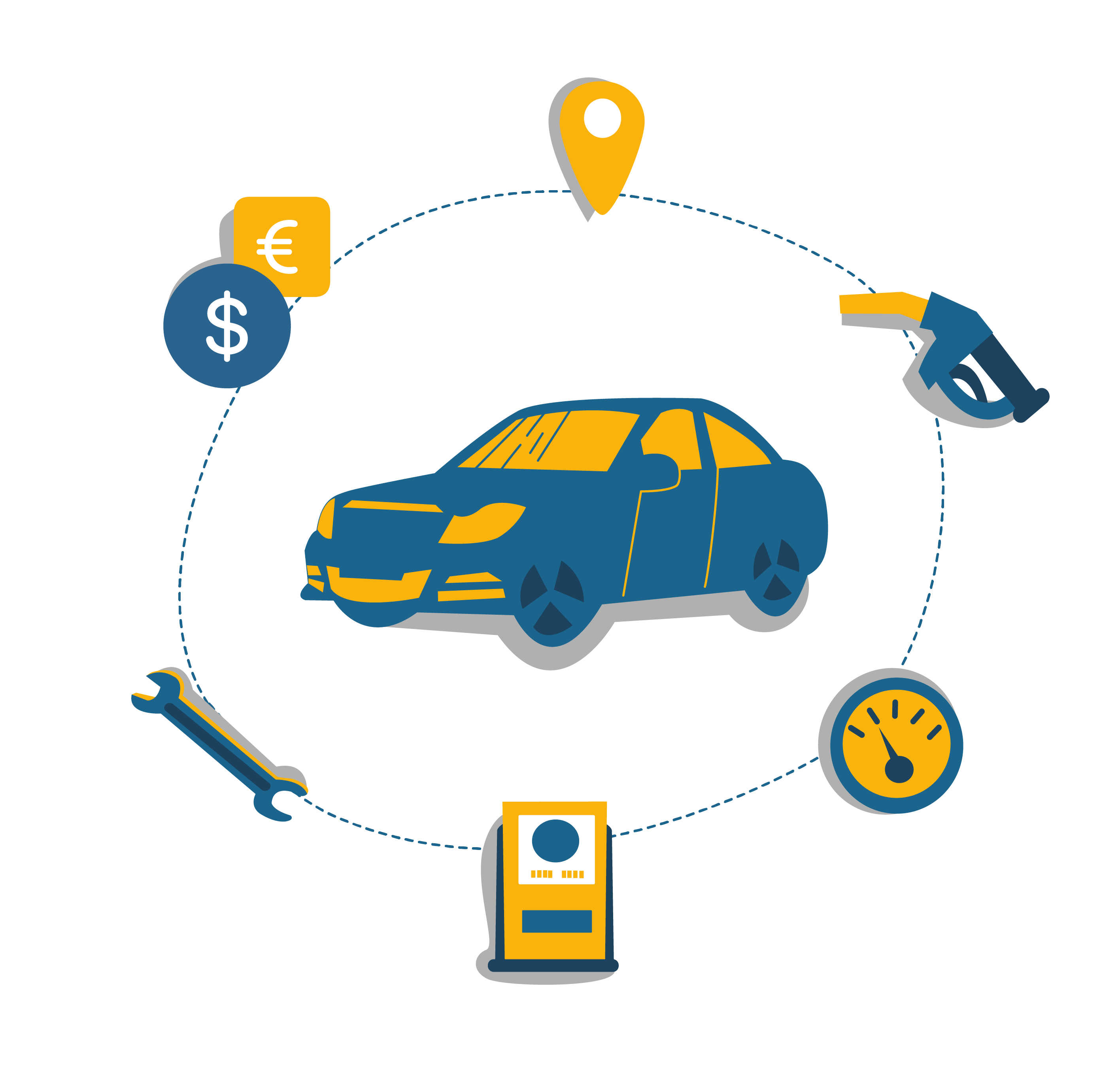
Simply Fleet is a simple and affordable software to help you track, monitor and analyse your fleet’s operations.