Of One Hundred Demons: Yokai Art- Night Parade

Managing your vehicle and mileage has never been this simple.

app store download button, simply auto download button ios google download button, simply auto download button
Yokai Art- Night Parade of One Hundred Demons

Downloads

0.7 Million

Yokai Art- Night Parade of One Hundred Demons

FILL-UPS RECORDED

4 Million

Yokai Art- Night Parade of One Hundred Demons

VEHICLES TRACKED

250,000 +

Yokai Art- Night Parade of One Hundred Demons

MILES LOGGED

1.8 Billion

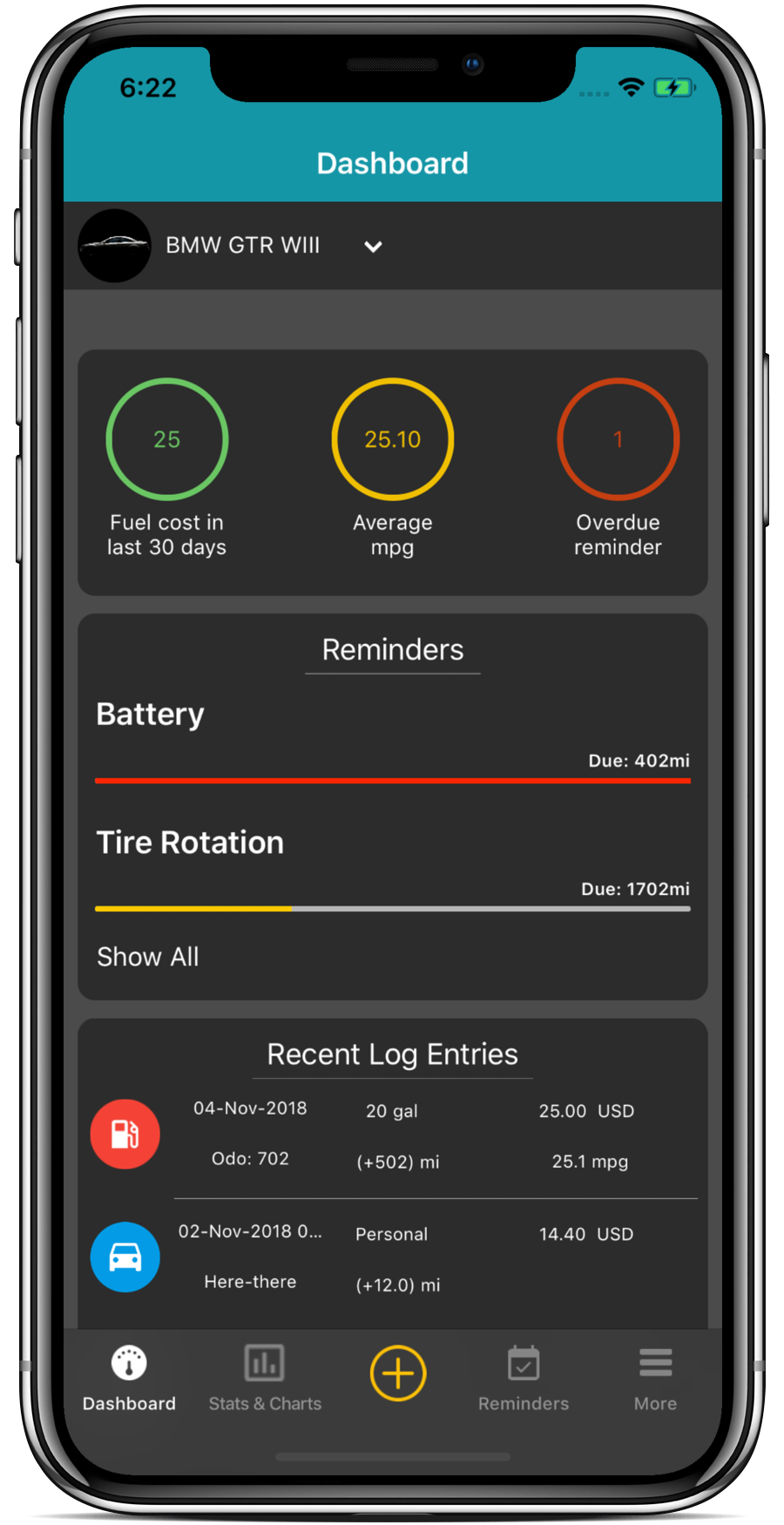
iphone mockup

App Features

fuel station icon, fuel pump
FILL-UPS

Record fill-ups for all your cars and monitor your car’s efficiency.

automatic mileage tracking icon
AUTOMATIC MILEAGE RECORDING

Need to track business mileage? Just start auto trip and we will track all your trips in the background whenever you are on the move. Yokai Art- Night Parade of One Hundred Demons

maintenance icon, reparing icon, service icon
SERVICE REMINDERS

Don’t lose sight of your maintenance and services. Log your services and we will remind you when its due. Sekien was not a madman; he was a scholar

dollor icon
CONTROL YOUR EXPENSES

Know your vehicle's running costs and plan for your expenses. But they also loved encyclopedias

cloud backup icon
SECURE CLOUD BACK-UP

Sign into the cloud and get easy access to all your data from anywhere and any device.

analysis icon
SCHEDULE REPORT

Run your reports or schedule them weekly or monthly to know more about your fill-ups , mileage and expenses.

Of One Hundred Demons: Yokai Art- Night Parade

Sekien was not a madman; he was a scholar. An ukiyo-e artist and a retainer of the Tsuyama clan, Sekien lived during the Edo period, a time of peace and burgeoning print culture. The rich merchant class of Edo (Tokyo) had money and free time, and they loved ghost stories. But they also loved encyclopedias.

A Karakasa Kozo (Paper Umbrella Goblin) hops past. It has one leg, a giant eye in the hole of its paper canopy, and a long, flapping tongue. Next to it, a Mokumokuren (a paper screen covered in eyes) slides by. These are minor annoyances, not killers.

The genius of the layout is that there is no hierarchy. The umbrella goblin is as visually loud as the giant skeleton. This flattens the fear. The message is clear: In the world of yokai, a talking lantern is just as significant as a god of plague. Why are we, in the age of CGI and slasher films, still obsessed with the Night Parade of One Hundred Demons ? Why do prints of a 300-year-old parade sell for thousands of dollars today?

In the humid, inky darkness of a pre-industrial Japanese summer, there was a sound that struck more fear into the heart of a traveler than the howl of a wolf or the crash of a typhoon: the faint, chaotic murmur of a festival where no festival should be.

Through the haze of ink-wash, you see the giant. The Daija (Giant Serpent) or the Gashadokuro (Giant Skeleton). These creatures are so large that they fill the sky. The Gashadokuro is formed from the bones of warriors who died in battle, never buried. It crushes cities.

Just don’t join the dance. Once you step into the Hyakki Yagyo , there is no stepping back. Have you encountered the Night Parade in modern media or art? The parade is always recruiting new demons—and new fans.


We are Loved by Businesses too!

Yokai Art- Night Parade of One Hundred Demons

Sekien was not a madman; he was a scholar. An ukiyo-e artist and a retainer of the Tsuyama clan, Sekien lived during the Edo period, a time of peace and burgeoning print culture. The rich merchant class of Edo (Tokyo) had money and free time, and they loved ghost stories. But they also loved encyclopedias.

A Karakasa Kozo (Paper Umbrella Goblin) hops past. It has one leg, a giant eye in the hole of its paper canopy, and a long, flapping tongue. Next to it, a Mokumokuren (a paper screen covered in eyes) slides by. These are minor annoyances, not killers.

The genius of the layout is that there is no hierarchy. The umbrella goblin is as visually loud as the giant skeleton. This flattens the fear. The message is clear: In the world of yokai, a talking lantern is just as significant as a god of plague. Why are we, in the age of CGI and slasher films, still obsessed with the Night Parade of One Hundred Demons ? Why do prints of a 300-year-old parade sell for thousands of dollars today?

In the humid, inky darkness of a pre-industrial Japanese summer, there was a sound that struck more fear into the heart of a traveler than the howl of a wolf or the crash of a typhoon: the faint, chaotic murmur of a festival where no festival should be.

Through the haze of ink-wash, you see the giant. The Daija (Giant Serpent) or the Gashadokuro (Giant Skeleton). These creatures are so large that they fill the sky. The Gashadokuro is formed from the bones of warriors who died in battle, never buried. It crushes cities.

Just don’t join the dance. Once you step into the Hyakki Yagyo , there is no stepping back. Have you encountered the Night Parade in modern media or art? The parade is always recruiting new demons—and new fans.

Yokai Art- Night Parade of One Hundred Demons

cONTACT US!

Of One Hundred Demons: Yokai Art- Night Parade

Simply Fleet is a simple and affordable software to help you track, monitor and analyse your fleet’s operations.